
Sometimes the problem starts small. You flush the upstairs toilet, and the kitchen sink starts to gurgle. The washing machine drains, and water shows up in the basement floor drain. This is the “plumbing domino effect,” and it often means there is trouble in the main sewer line.
One slow drain in one room is usually a simple clog. But multiple drains clogging at once usually means a bigger issue in the main line, the large pipe that carries all wastewater away from your home. Because this pipe runs underground, damage can grow for a long time before you see it.

The Warning Signs: It’s More Than Just a Clog
A failing sewer line often gives warning signs before it fully collapses. The most common signs include:
- Gurgling sounds from toilets or drains
- Sewage odors in the basement, yard, or near drains
- Water backing up into tubs, showers, or floor drains when the washing machine runs
You may also notice changes outside. Small dips in the yard or soft ground can form as soil shifts. Some areas of grass may suddenly look greener because leaking sewage acts like fertilizer. These are common collapsed sewer line symptoms and should be checked quickly.
Why Sewer Lines Collapse: The Culprits Beneath the Surface
Tree roots are a major cause in Northeast Ohio. Roots grow toward moisture and often enter small cracks in sewer pipes. Over time, they grow larger and can break or crush the pipe.
Age also matters. Many older homes in the Akron area still have clay or Orangeburg pipes. These materials weaken over time, soften, and may flatten. This can lead to clear signs of a broken sewer pipe under a house.
Shifting soil and freeze-thaw cycles can also move the ground and place pressure on underground pipes until they fail.
The Danger of Delay: Foundation and Health Risks
A collapsed sewer line does more than block drainage. It can leak sewage into the soil under your home. This moisture may wash away soil and create empty spaces under the foundation, which can weaken support over time.
There are also health risks. Sewage contains harmful bacteria, and ongoing moisture in basements can lead to mold growth. A simple main sewer line backup can quickly become a bigger problem for your home and health.
High-Tech Diagnostics: Seeing Through the Soil
Today, plumbers can find sewer problems without digging up your yard. Superior Drainage uses waterproof, high-definition cameras during sewer camera inspections to look inside the pipe.
This shows the exact location and cause of the problem, whether it is roots, a crack, or a full collapse. Camera inspections help avoid guesswork and allow accurate sewer line repair in Akron and nearby areas.
Repair Solutions: From Hydro Jetting to Excavation
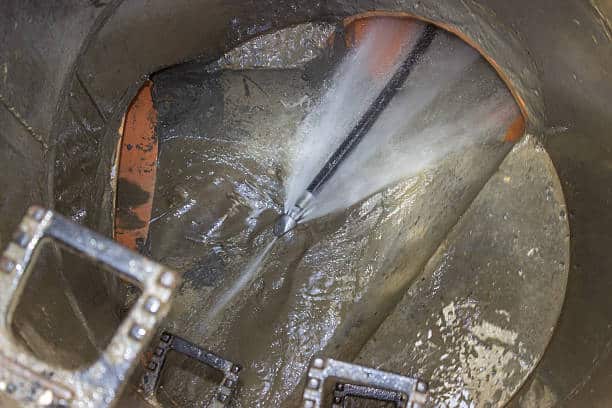
Not every sewer problem needs digging. If the pipe is still strong but blocked, professional drain cleaning or hydro jetting may clear the line and restore flow.
If the pipe has collapsed, excavation is required. During plumbing excavation, damaged sections of pipe are removed and replaced. This restores proper drainage and prevents future backups.
Protect Your Home from Sewer Line Damage
When several drains clog at once, waiting usually makes the problem worse and more expensive. Early action helps prevent serious damage and major repairs.
If you notice warning signs of a sewer issue, contact Superior Drainage for a full inspection. Our team provides complete residential plumbing services to help protect your home’s safety, value, and drainage system.
FAQ
Will a plunger fix a main line backup?
A plunger only clears small clogs near one drain. It cannot reach the main sewer line.
How much of the sewer line am I responsible for?
Most homeowners are responsible for the pipe from the house to the city connection at the street.
Does homeowners insurance cover a collapsed sewer line?
Many standard policies do not. Some include sewer or underground line coverage, so check your policy.
How long does it take to replace a sewer line?
Most home sewer line replacements take one to a few days, depending on pipe length, depth, and soil conditions.