
Most Common Sewer Line Issues in Northeast Ohio
- In the Akron, Canton, and Cleveland areas, sewer failures are most often caused by tree root intrusion, aging pipe materials (including clay and Orangeburg), and soil shifting tied to clay-heavy ground and freeze-thaw cycles.
- Heavy seasonal rainfall can increase the risk of sewer backups, especially when combined with grease buildup or so-called “flushable” wipe clogs.
- Early identification with a professional camera inspection can help prevent basement flooding and reduce the chance of costly excavation and landscape damage.
Living in Northeast Ohio brings a unique set of charms—beautiful changing seasons, historic architecture, and lush, green landscapes. However, those same features that make the Akron and Cleveland areas so appealing are the very things that wreak havoc on underground infrastructure.
For homeowners in our region, sewer line maintenance isn’t just a “nice-to-have”; it is a necessity. Between the aging clay pipes of historic neighborhoods and the volatile weather patterns of the Great Lakes, your sewer line is under constant stress. At Superior Drain, we’ve seen how local geography and history impact plumbing. This guide explores the most common sewer line issues in Northeast Ohio and how you can protect your property.
1. Tree Root Intrusion: The Silent Invader
If you live in an established neighborhood with mature oaks, maples, or willows, your sewer line is a target. Tree roots are naturally drawn to moisture, nutrients, and oxygen—all of which are found in abundance inside a sewer pipe.
In Northeast Ohio, tree roots are the #1 cause of sewer blockages. Older sewer lines were often constructed using clay tile pipes. These pipes are joined in segments, and over decades, the joints can settle or crack. Even a microscopic hairline crack allows a tiny root tip to enter. Once inside, the root thrives on the nutrient-rich water, growing into a massive “root ball” that acts as a net, catching grease, hair, and debris.
Why it’s a local issue: Our region’s high annual rainfall promotes aggressive root growth. During dry spells, roots will travel even further to find the consistent water source provided by your main drain.
2. Aging Infrastructure: Clay, Cast Iron, and Orangeburg
Northeast Ohio is home to some of the oldest residential infrastructure in the country. Depending on when your home was built, you may be dealing with materials that have far outlived their intended lifespan.
- Vitrified Clay Tile: Common in homes built before the 1970s. While the clay itself is durable, the joints are weak. They are prone to “offsetting,” where one section of pipe drops lower than the next, creating a ledge that catches debris.
- Cast Iron: Often found in mid-century homes. Over time, cast iron corrodes from the inside out, creating a rough surface called “tuberculation.” This snags toilet paper and solids, leading to frequent backups. Eventually, the bottom of the pipe can rot out entirely.
- Orangeburg Pipe: The “hidden danger” of Northeast Ohio plumbing. Made of wood pulp sealed with coal tar, Orangeburg was used frequently in the 1950s and 60s as a cheap alternative to metal. Today, these pipes are essentially wet cardboard. They frequently collapse or become oval-shaped under the weight of the soil, requiring full replacement.
3. Shifting Soil and the “Belly” in the Line
The soil in Northeast Ohio is notoriously heavy in clay. Clay soil is expansive, meaning it swells when it absorbs water and shrinks when it dries out. This constant movement, combined with the dramatic freeze-thaw cycles of our winters, puts immense physical pressure on buried pipes.
When the soil beneath a pipe shifts or erodes, a section of the line may sink, creating a “belly” or a low spot. Gravity is supposed to carry waste down the line; in a belly, water and solids pool. Over time, the solids settle at the bottom of the dip, eventually hardening into a blockage that a standard snake cannot easily clear.
4. The Freeze-Thaw Cycle and Pipe Bursts
While the frost line in Ohio usually stays above the depth of most sewer lines (which are typically 4 to 12 feet deep), the indirect effects of freezing are significant. As the ground freezes, it exerts “frost heave” pressure. If a pipe is already weakened by corrosion or age, this external pressure can cause a catastrophic break.
Furthermore, when the massive snowpacks of a typical Lake Erie winter melt rapidly in the spring, the ground becomes saturated. This increases “hydrostatic pressure” around your pipes and puts an incredible load on the municipal sewer system, which can cause backups into residential basements if backflow valves are not installed.
5. FOG (Fats, Oils, and Grease) Accumulation
This is a “man-made” issue that is exacerbated by cold Ohio temperatures. When you pour warm grease down the drain, it eventually hits the much colder underground pipes. The grease rapidly cools, solidifies, and sticks to the walls of the sewer line.
In our region, where ground temperatures remain cold for nearly half the year, grease buildup happens faster than in warmer climates. Over several years, this “FOG” layer narrows the diameter of your pipe, leading to slow drains and eventual total blockage.
6. The “Flushable” Wipe Myth
Modern lifestyle habits are clashing with old Ohio plumbing. Despite being labeled “flushable,” most wipes do not break down like toilet paper. In older clay or cast iron pipes with rough edges or minor root intrusions, these wipes snag and create “fatbergs.” If your home has a septic system or an older sewer lateral, these wipes are one of the fastest ways to cause a main-line backup.
How to Identify a Sewer Issue Before It Becomes an Emergency
Prevention is significantly cheaper than a midnight emergency call. Watch for these local warning signs:
- The “Gurgle”: If you hear a gurgling sound coming from your floor drain or toilet when you run the washing machine, air is being trapped by a partial blockage.
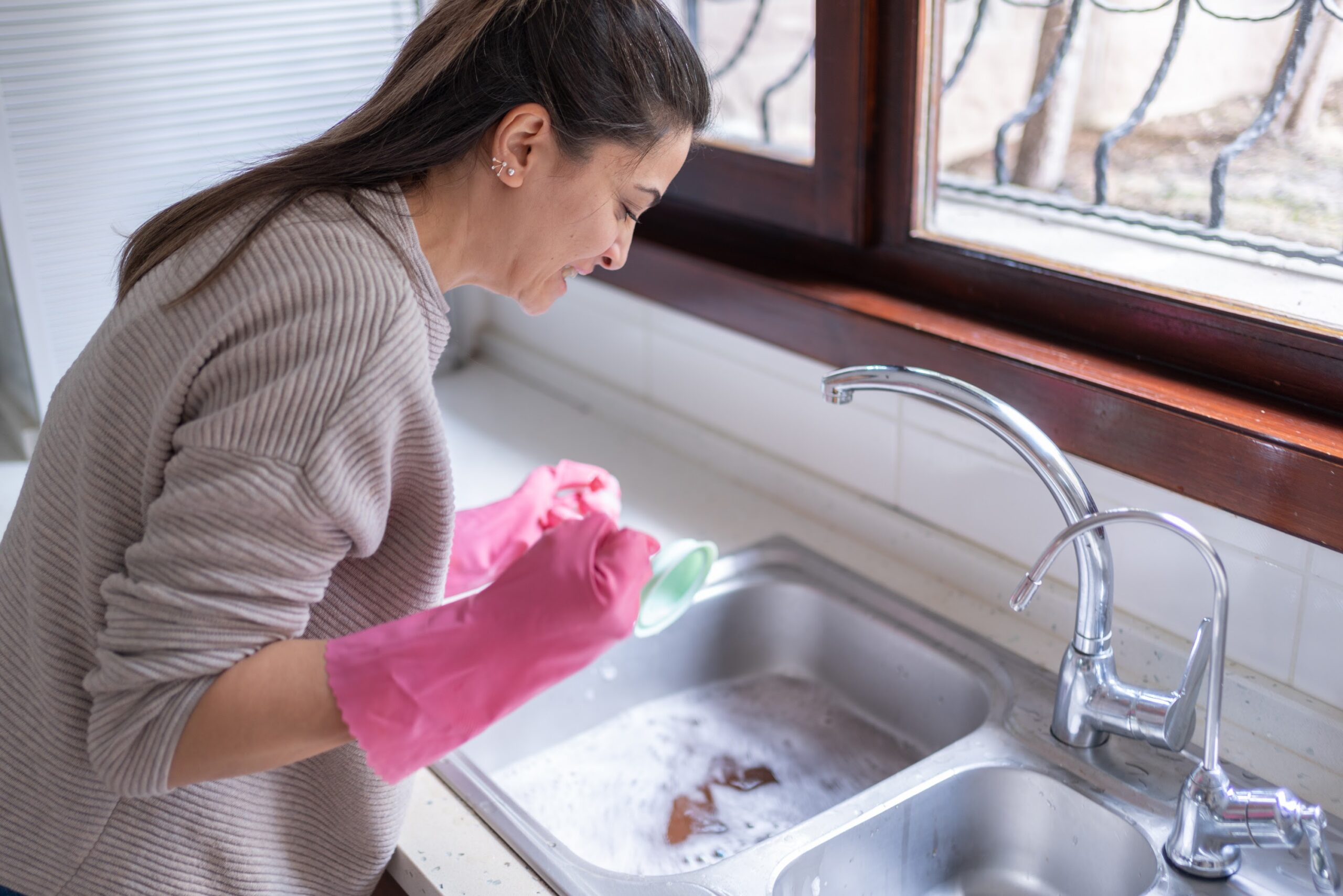
- Multiple Clogs: One slow sink is a localized clog. Two slow sinks and a slow bathtub mean the problem is in the main sewer line.
- Lush Spots in the Yard: If one patch of your grass is significantly greener or faster-growing than the rest—especially during a dry Ohio August—you likely have a sewer leak acting as fertilizer.
- Odors: A sewage smell in the basement or yard indicates a crack or a dried-out floor drain trap that is allowing sewer gases to escape.
Solutions for Northeast Ohio Homeowners
Video Camera Inspections
The first step in solving any sewer issue is seeing exactly what is happening. Superior Drain uses high-definition waterproof cameras to travel through your line. This allows us to see if you have a simple clog, a root mass, or a collapsed Orangeburg pipe. This eliminates guesswork and prevents unnecessary digging.
High-Pressure Hydro-Jetting
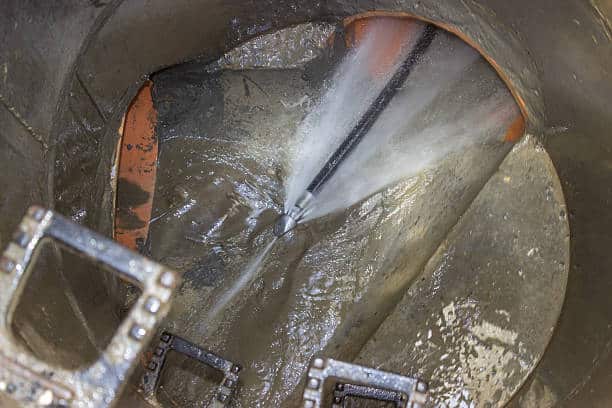
For grease buildup and heavy root intrusion, traditional snaking often isn’t enough. Hydro-jetting uses specialized nozzles to blast water at ultra-high pressure (up to 4,000 PSI) through the line. This scours the pipe walls clean, removing years of FOG and cutting through roots without damaging the pipe.
Trenchless Sewer Repair
In the past, a broken sewer line meant destroying your driveway or landscaping. Today, we offer trenchless options. We can often reline an existing pipe by inserting an epoxy-filled liner that hardens into a “pipe within a pipe,” sealing leaks and preventing future root growth without the need for a massive trench.
Traditional Excavation
In cases of total pipe collapse (common with Orangeburg or severe soil shifting), traditional excavation may be required. When this happens, it’s vital to work with a team that understands local permit requirements and utility locations in Northeast Ohio.
Protect Your Home’s Foundation
Your sewer line is the most important—and most ignored—part of your home’s infrastructure. In Northeast Ohio, the combination of old materials and harsh environmental factors makes sewer health a priority.
Don’t wait for a backup to flood your basement. Whether you are buying an older home in Akron or notice your drains slowing down in Cleveland, a proactive inspection can save you thousands in property damage.
Common Sewer Line Symptoms and What They Usually Mean
- Recurring slow drains in the whole house: Main sewer line clog or tree roots — professional hydro-jetting and camera inspection.
- Gurgling toilets or floor drains: Air trapped by a blockage or vent issue — sewer snaking or high-pressure cleaning.
- Persistent wet spots in the yard: Broken or “bellied” sewer pipe — spot repair or trenchless pipe relining.
- Sewage smell in the basement: Cracks in cast iron or clay pipes — smoke testing and pipe replacement.
- Multiple fixtures backing up at once: Mainline failure or root mass — immediate professional rooter service.